
Journal ·
What to Wear to F45: A Practical Kit Guide
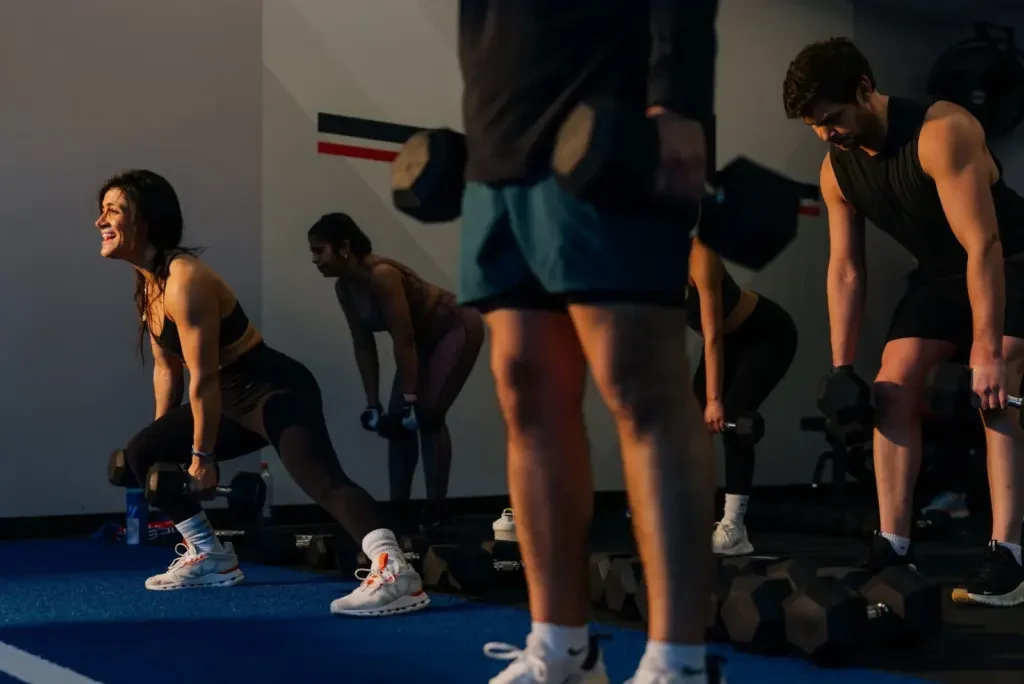
What to wear to F45 comes down to three things: supportive trainers with a flat, stable sole, fitted clothes you can squat, lunge and row in without adjusting them, and a water bottle and small towel. You do not need specialist kit or anything branded. A 45-minute class moves quickly between cardio stations and weights, so the aim is clothing that stays out of your way and shoes that keep you steady when you jump, change direction or pick up a dumbbell. The rest of this guide explains why, and what to leave at home.
Why F45 kit is different from a run or a yoga class
An F45 session is a circuit. In one class you might row, ride a bike, carry a kettlebell along the turf, do bodyweight work on the floor and lift a barbell, often within a few minutes of each other. F45 describes its classes as high-intensity interval training combined with functional movement, and the format changes from day to day, so you rarely know exactly which stations you will meet until you walk in. You can see how the formats differ on our workouts page.
That variety is the reason kit matters. Clothes that are perfect for a long run can ride up on a rower. Shoes built for road running can feel wobbly during a lateral shuffle or a deadlift. Dress for a bit of everything and you will be comfortable at every station.
Shoes: the one thing worth getting right
If you only think about one item, make it your trainers. Look for a pair with a fairly flat, firm sole, a secure fit around the heel and enough grip for quick side-to-side steps. Shoes sold as cross-training or gym trainers are designed for exactly this mix. Running shoes with a thick, soft heel are fine for the cardio stations, but they can feel less stable when you squat or lift, because the cushioning compresses under load.
You do not need to buy new shoes for your first class. A clean pair of everyday trainers that fit well is enough to start. If you go on to train regularly, a dedicated pair for the studio is a sensible upgrade, and it keeps outdoor grit off the turf.
Laces, socks and blisters
Tie your laces firmly and tuck the ends in, since a loose lace and a skipping rope or bike pedal do not mix. Sports socks that come above the back of the shoe help prevent rubbing on the heel. If you are prone to blisters, a little tape before the class is easier than dealing with one halfway through.
Tops and bottoms you can move in
Choose clothes that let you move through a full range without tugging or riding up. Leggings, shorts or fitted joggers all work for the lower half. Very loose, long shorts can catch on the seat of a rower or bike, and wide-leg trousers can get in the way of a barbell, so something closer fitting is easier.
For the top half, a breathable T-shirt or vest is the usual choice. Some exercises put you upside down or on the floor, such as mountain climbers or burpees, and a top that falls over your face every time quickly becomes annoying. Anything that wicks sweat will feel better than heavy cotton by the end of the class, but it is not essential.
Sports bras
Many sessions include jumping, skipping or running movements, so if you wear a sports bra, a medium or high support style is the comfortable option. It is worth choosing one you have already worn for exercise rather than trying a new one on the day.
Layers for early and late classes
The studio’s first classes on weekdays start at 05:30, and plenty of people train before work or on the way home. A light layer for the walk from the car park or the station is useful in winter, and you can take it off once the warm-up starts. Check the class timetable to plan which session suits your day.
What to bring with you
Bring a water bottle and a small towel. You will sweat during a 45-minute interval session, and having your own towel means you can wipe your hands before you grip a dumbbell or barbell. A bottle you can refill is easier than buying drinks.
Keep the rest simple: your phone if you use the F45 app to manage bookings, a small bag for valuables, and anything you need for the journey home. If you are coming straight from work, a change of clothes and a bag for sweaty kit will make the trip back more pleasant.
What to leave at home
Take off jewellery that could catch or scratch, such as rings, bracelets and long necklaces. Rings in particular can pinch when you grip a bar. Chewing gum is best avoided while you are breathing hard. Headphones are not needed, because the coach talks you through the class and there is music in the room.
You also do not need gloves, belts or other accessories to start. If the coach thinks something would help you, they will say so.
Dressing for different class types
The same kit works for every format, but there are small differences worth knowing.
Cardio-focused classes
Expect more time on rowers, bikes and floor-based intervals. Breathable, lightweight clothing and secure shoes matter most here. You can read more on the cardio classes page.
Strength and resistance classes
These use more free weights and resistance equipment. A stable, flatter shoe helps, and fitted clothing lets the coach see your position so they can help with technique. Our strength training classes page explains how these sessions run.
Recovery sessions
F45 Reset is a lighter mobility and recovery format, with more stretching and controlled movement. Soft, stretchy clothing is ideal, and you may spend more time on the floor.
Arriving for your first class
If it is your first visit, get to the studio 10 to 15 minutes early. That gives you time to put your bag away, fill your bottle and tell the coach you are new, along with any injuries they should know about. Our guide to what happens in your first class covers the rest of the visit, from the warm-up to the cool-down.
Nobody at the studio will be judging your outfit. Coaches care far more about whether you can move comfortably and safely than what you are wearing. Turn up in practical kit and you will fit right in.
Quick answers
Can I wear running shoes to F45?
Yes, especially for your first few classes. If you start training regularly, a flatter cross-training shoe will feel more stable for lifting and side-to-side movements.
Do I need special clothing?
No. Any comfortable sports clothing that lets you move freely is fine. Fitted clothes are easier on rowers and bikes than very loose ones.
Should I bring my own towel and water?
Yes. Bring a small towel and a water bottle to every class.
Ready to try it? New customers can start with 10 Classes for £20, used within 14 days of the first session, with no contract. Book your first class and come as you are.
General information only, not medical advice. Speak to your GP before starting a new exercise programme.