
Journal ·
The Best Time to Work Out for Your Week
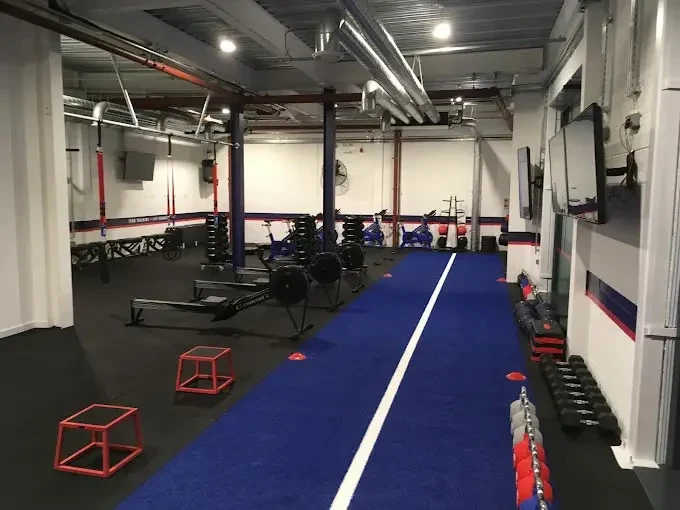
The best time to work out is the time you can keep turning up for. There is no single hour that suits everyone. The NHS guidelines for adults are built around how much activity you do across a week, not what time of day you do it, so a 6am class and a 7pm class count the same. What changes from person to person is energy, sleep, work and family life, and those are what should decide your slot.
Below we look at the honest pros and cons of morning, lunchtime and evening training, and how to pick a time you will stick with through a Chelmsford winter.
Does the time of day matter?
For most people, consistency matters far more than the clock. The NHS guidance sets a weekly total and says nothing in favour of mornings or evenings. A routine you repeat every week will do more for you than a “perfect” time you abandon after a fortnight, so pick the slot you can protect.
The NHS physical activity guidelines ask adults for at least 150 minutes of moderate activity or 75 minutes of vigorous activity a week, spread over four to five days or every day, plus strength work on at least two days.
So the useful question is not which hour is best in theory. It is which hour fits your week, and how you feel when you train then.
Training in the morning
Early sessions have one big advantage: they happen before the day has a chance to get in the way. Meetings overrun, children need collecting and plans change, but very little competes with 5:30am. Many regular members find a morning class is the one they miss least.
The trade-off is that you may feel stiff and slow for the first few minutes. A proper warm-up helps, and so does going easier on the first round rather than chasing a big effort straight away. You also need to think about food. Some people are happy training on an empty stomach for a 45-minute session, others feel light-headed without something small first. Our guide to eating before a class covers easy options.
Morning training only works if you get enough sleep. If an early class means cutting your night short, you may be trading one healthy habit for another.
Lunchtime sessions
A lunchtime class can split a long working day in two and get you away from a screen. It suits people who work close to the studio in the centre of Chelmsford, or who have flexible hours. The catch is the clock: you need time to travel, train, shower and eat, so a 45-minute session can still take most of an hour and a half. If your lunch break is fixed and short, this slot is the easiest to lose when work gets busy.
Training in the evening
By the evening your body has been moving all day and many people feel warmer, stronger and more awake than they do at dawn. An evening class is also a clear line between work and home, which some people value as much as the workout itself.
The risks are different. Evenings fill up with other things, and tiredness after a long day makes it easy to talk yourself out of going. Sleep is the other consideration. The NHS’s Every Mind Matters sleep advice suggests avoiding exercise in the four hours before bed and being active in the morning or early afternoon instead. Plenty of people train in the evening and sleep well, but if you are struggling with sleep, an earlier slot is worth trying.
How to find the best time to work out for you
Start with your diary rather than your intentions. Look at a normal week and find two or three times that are realistically open most weeks, not just the quiet ones. Then think about energy. If you are sharp first thing and flat by 6pm, train early. If mornings are a struggle, do not force them.
Next, try it. Book the same time for two weeks and notice how you feel during the session, how you sleep that night and how the rest of your day goes. If it works, keep it. If it does not, move it. Nothing is lost by changing your slot, and finding the right one is part of building the habit.
It also helps to fix your sessions like appointments. “Monday and Thursday at 6:15” is easier to keep than “twice a week when I can”. If you are unsure how many sessions to aim for, our post on how many times a week to train sets out the options.
Class times at F45 Chelmsford
The studio runs classes across the day so most routines can find a fit. From Monday to Thursday the first class starts at 05:30 and the last at 19:10. On Friday the first is 05:30 and the last 18:20. At the weekend there are 08:00 and 09:15 classes on Saturday, and 09:00 and 10:00 on Sunday. The full timetable shows every slot and which format is running.
Each session lasts 45 minutes and is coached, so you do not need to plan the workout yourself, whichever time you choose. If you are new, the format guides on our workouts page explain what each class involves.
Quick answers
Is it bad to work out at night?
Not for most people. Exercise at any time counts towards the weekly guidelines. If you find late sessions keep you awake, the NHS suggests leaving about four hours between exercise and bed, so try an earlier class.
Should I train before or after work?
Whichever you will actually do. Before work is harder to cancel, after work may feel easier physically. Try each for a couple of weeks.
Can I switch times from week to week?
Yes. A fixed slot helps the habit stick, but a flexible week is better than a missed one.
Whichever slot you choose, the best time to work out is one you can repeat. Pick two sessions that fit your week, then book your first class. New customers can start with 10 Classes for £20.
General information only, not medical advice. Speak to your GP before starting a new exercise programme.